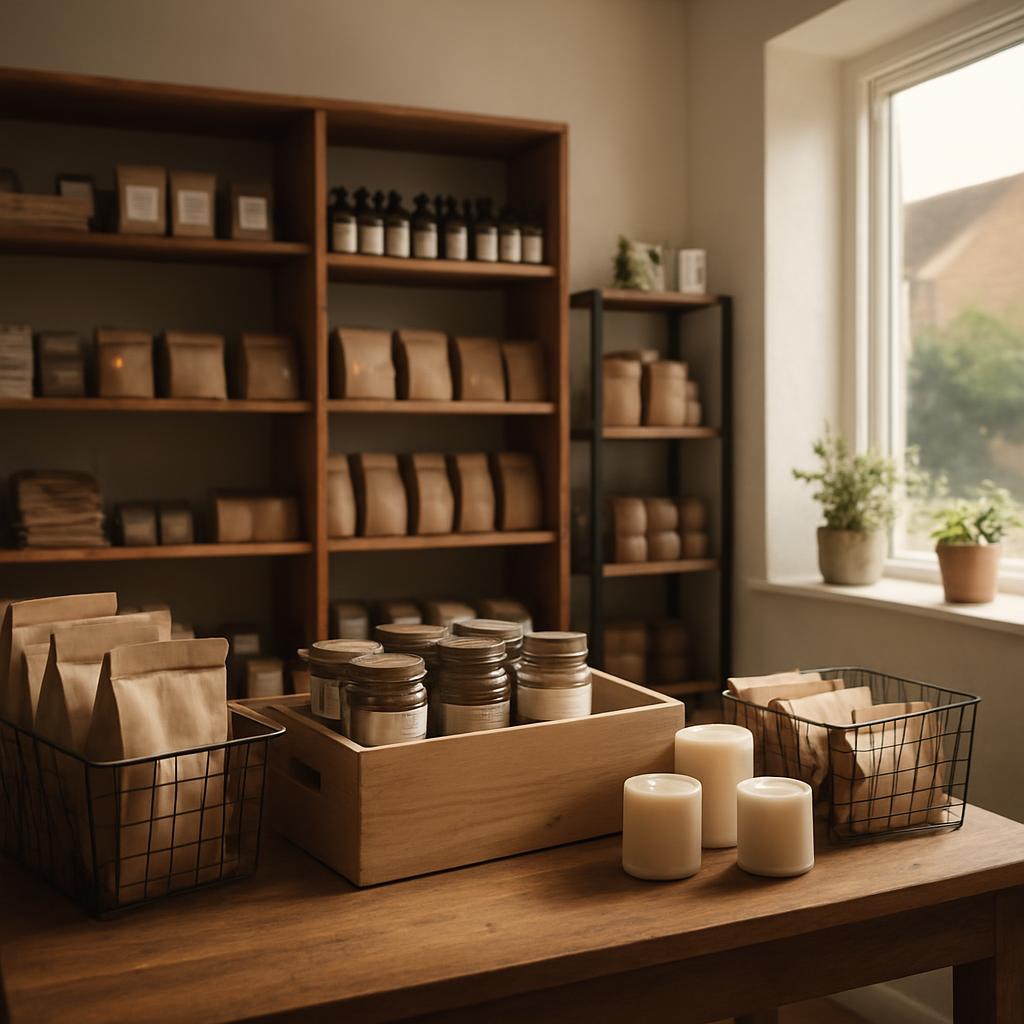
How Whiteleas Traders Beat Storage Clutter
Find Out More →Walk down any high street in Whiteleas on a Tuesday morning and you'll notice something: the local shops don't look chaotic. No overstuffed stockrooms visible from the pavement, no seasonal stock piled into corners, no 'we'll deal with it later' situations. That's not accident—it's strategy. The traders here have figured out how to use Self Storage Whiteleas in ways that actually work, and if you're sitting at home wondering where to put your winter decorations, your kids' outgrown toys, or that spare furniture you might use someday, there's a lot you can learn from how they do it.
Why Businesses Think Differently About Storage
Here's the difference: local business owners treat storage as part of their operating system, not a panic solution. They're not renting a unit because they've run out of space—they're renting one because they've planned ahead. That's a crucial distinction.
When a shop owner needs to rotate seasonal stock, they don't cram it into the back room hoping it'll squeeze in. They book space at Self Storage Whiteleas months before they need it, knowing exactly what's going in, for how long, and why. They label everything. They keep an inventory. They access their unit on a schedule, not in a panic. The result? Their main space stays efficient, their stock stays in good condition, and they're never scrambling.
Homeowners often do the opposite. We wait until we're desperate, shove things in haphazardly, forget what we've stored, and end up paying for space we're not using effectively. The business approach is systematic. The home approach is reactive.
What Does Planning Ahead Actually Change?
The single biggest advantage traders have is time. They're not moving house next month or clearing a bedroom this weekend—they're thinking a season or two ahead, which means they can be selective about what goes into storage and what doesn't.
This is where homeowners can steal a real win. Before you rent a unit, spend a weekend sorting what you actually need to keep. Winter coats? Yes. That broken lamp you've been meaning to fix? No. Your child's baby clothes you might pass on? Only if you're genuinely planning to. Find out more about how a clear system prevents wasted space and money.
Traders don't store on impulse because storage costs money—every box has to earn its place. They ask themselves: will I actually use this? Do I have space at home? Is storing it cheaper than replacing it? For a homeowner, the same questions apply. The difference is you're the only one auditing your own decisions. Honesty matters here.
When you're selective upfront, you need less storage, you pay less, and you know exactly where everything is. That's not cutting corners—that's being smart about space.
How to Organize Like a Business Owner
Once you've decided what's actually going in storage, local business owners follow a method that works. They photograph items before boxing them up, label every box clearly (content, date, reason for storage), and keep a simple spreadsheet or list of what's where. It sounds tedious—and honestly, it is—but it's the difference between storage working for you and storage becoming a black hole.
You don't need a complex system. One trader I know uses a phone photo of each box's contents, filed by month. Another keeps a handwritten list taped inside the unit door. Both work. Read our guide on trader storage lessons to see practical organization methods that fit real life.
The payoff is real: you'll find things when you need them. You won't buy duplicates because you forgot what you owned. You'll actually be able to say 'I can retrieve this tomorrow' instead of 'I think I left it somewhere in there.' That confidence is worth the few minutes it takes to label properly.
Access and Frequency: Think Like You're Running a Business
Here's something most homeowners overlook: how often you'll actually need to visit your unit matters. Business owners know their access patterns—a seasonal retailer might visit their unit four times a year; someone storing inventory for repairs might visit weekly. Knowing this shapes where they store items and how they organize the unit itself.
If you're storing Christmas decorations, you'll access them once a year—so they can go deep in the unit. If you're storing craft supplies you use monthly, they need to be near the door and easy to reach. Traders position their most-accessed items at the front and organize layers accordingly. It's a small thing, but it saves time and frustration every single visit.
Check out how local traders organize for access if you want practical layout ideas.
The Real Takeaway
The traders of Whiteleas aren't storage geniuses—they're just systematic. They plan ahead instead of reacting. They're honest about what they need to keep. They organize so things stay accessible and in good condition. And crucially, they treat storage as a tool that has to justify itself, not just a place to dump overflow.
If you're thinking about renting a unit, borrow that mindset. You don't need to run a business to benefit from thinking like one. Spend an afternoon sorting, make a plan for what's going where and why, and commit to labeling everything. It sounds like work upfront, but it turns storage from something frustrating into something that actually works.
Ready to get started? Self Storage Whiteleas has units sized for everything from seasonal items to full home contents. Give us a call to chat through what you need—we can help you figure out the right size and organize efficiently from day one.
Looking for Self Storage near Whiteleas?
We have secure, flexible units available in the area. Get in touch with Self Storage Whiteleas today.
Find Out More →