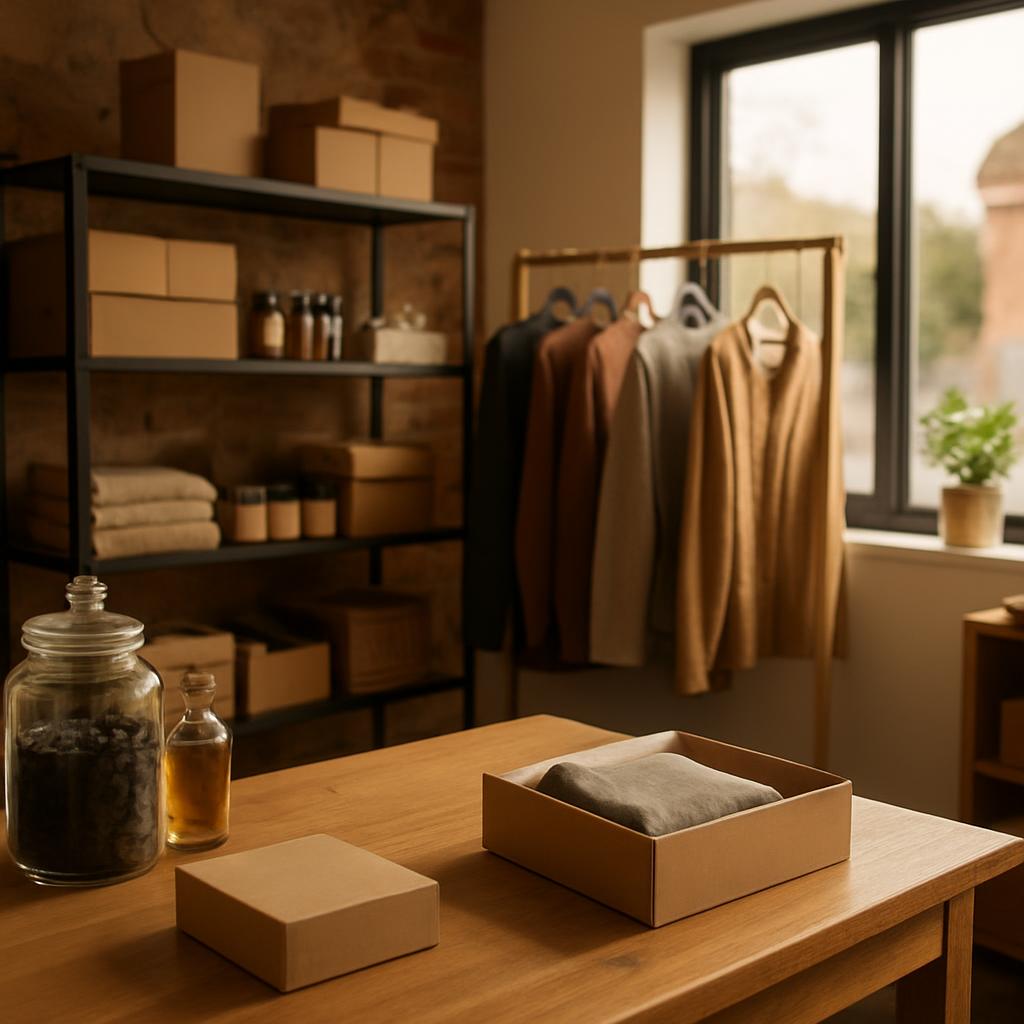
How Whiteleas Businesses Beat the Storage Game
Find Out More →Walk around Whiteleas long enough and you'll notice something: the local businesses here have worked out how to use self storage in ways most homeowners haven't figured out yet. It's not that they've got access to secret tricks—it's that they've had to solve the storage problem on a tighter schedule and with less room to mess around. And honestly, their approach works just as well for a household.
The difference comes down to planning, organisation, and being clear about what actually needs to stay accessible versus what can be tucked away. If you've been putting off dealing with your own storage situation, watching how Whiteleas businesses handle it might give you the push you need.
Why businesses think differently about storage
Here's the thing: when you're running a business in Whiteleas, space is money. Every square foot of your shopfront, office, or workshop needs to earn its keep. That changes how you think about storage completely.
Businesses can't afford to keep seasonal stock piled up in a back room or let old files gather dust where they're taking up valuable real estate. They also can't afford to waste time hunting for something they need. That forces them to be deliberate. They measure what they're storing, they label it properly, they rotate stock in and out on a schedule, and they know exactly when they'll need to access it again.
Most homeowners don't have that same discipline, which is why things get messy. But here's what's worth stealing from their playbook: a bit of that intentionality goes a long way.
How they actually use Self Storage Whiteleas
Local businesses in Whiteleas use self storage for specific, time-bound reasons. They're not storing things 'just in case'—they're storing things because they have a reason and a timeline.
A retail business might use it to hold overflow stock between seasons. A tradesperson stores tools and materials that don't fit in their van or workshop. An office uses it for archived documents they're required to keep but don't need on hand. Each situation has a clear beginning and end point.
The second thing they do well is categorise ruthlessly. As we covered in more detail, successful businesses separate what needs to stay close and accessible from what can go into storage. That means their actual workspace stays functional, and their storage unit stays lean. They're not paying to store things they'll never use.
And they label everything. Not loosely—properly. A label means they can find it fast, which means they actually use the system instead of just shoving things in and hoping.
What homeowners can actually apply
You don't need to run a business to benefit from this thinking. The lesson is straightforward: know why you're storing something, and know when you'll need it again.
Instead of treating self storage as a dumping ground for 'stuff I might want someday', ask yourself: Am I storing this because I use it seasonally? Because I'm between houses? Because I'm waiting for space to clear? Because I genuinely can't fit it in my home right now? Once you've answered that, you know how long you'll need the unit for, and you know what actually belongs in there.
The second part is being honest about what stays in your home versus what goes. We've written about the mistakes homeowners make, and one of the biggest is treating storage as a substitute for decluttering. Storage is meant for things you're keeping—seasonal decorations, spare furniture, hobby equipment. Not for stuff you've decided you don't want but can't quite throw away.
And yes, labelling matters just as much for home storage. A box marked 'Christmas decorations—lights and tinsel' is infinitely more useful than an unlabelled box you'll have to open three times before you find what you need.
Making it work practically
Start by listing what you actually need to store and for how long. Do you need it for a few months, or years? Is it seasonal, or permanent? Do you need regular access, or will you touch it once a year? Getting this right from the start means you'll pick the right unit size and location, and you won't end up paying for space you don't need.
Take photos and measurements of larger items before you store them—especially furniture. It saves you guessing later, and it helps you work out what actually fits. Photograph fragile things too, just for your own reference.
Pack like items together. Don't scatter decorations, seasonal clothes, and tools across multiple boxes. Group them logically so you can access whole categories at once if you need them.
Keep a simple inventory list, even if it's just on your phone. Nothing fancy—just box numbers and what's in them. When you eventually need something, you'll find it fast instead of unpacking everything.
That's how Whiteleas businesses keep their storage lean and useful, and it's exactly what works for households too. You're just being intentional about the space instead of letting it become a catch-all.
If you're ready to get your storage sorted, Self Storage Whiteleas has units built for exactly this kind of organised approach. Get in touch to discuss what you need and how long you'll need it for—they'll help you find the right fit.
Looking for Self Storage near Whiteleas?
We have secure, flexible units available in the area. Get in touch with Self Storage Whiteleas today.
Find Out More →